Hiring Highly Rated Marietta Commercial Architects
Elevate Your Company With Innovative Commercial Architecture Solutions
Innovative commercial architecture plays a vital role in shaping business success. Through the harmonious blending of functionality and aesthetics, it strengthens both productivity and brand identity. Green design strategies not only decrease operational costs but also cultivate healthier workplace settings. As organizations grow and change, their spatial requirements shift accordingly. Appreciating how architecture impacts these elements can open new avenues for expansion and teamwork. The following insights will explore these themes further.
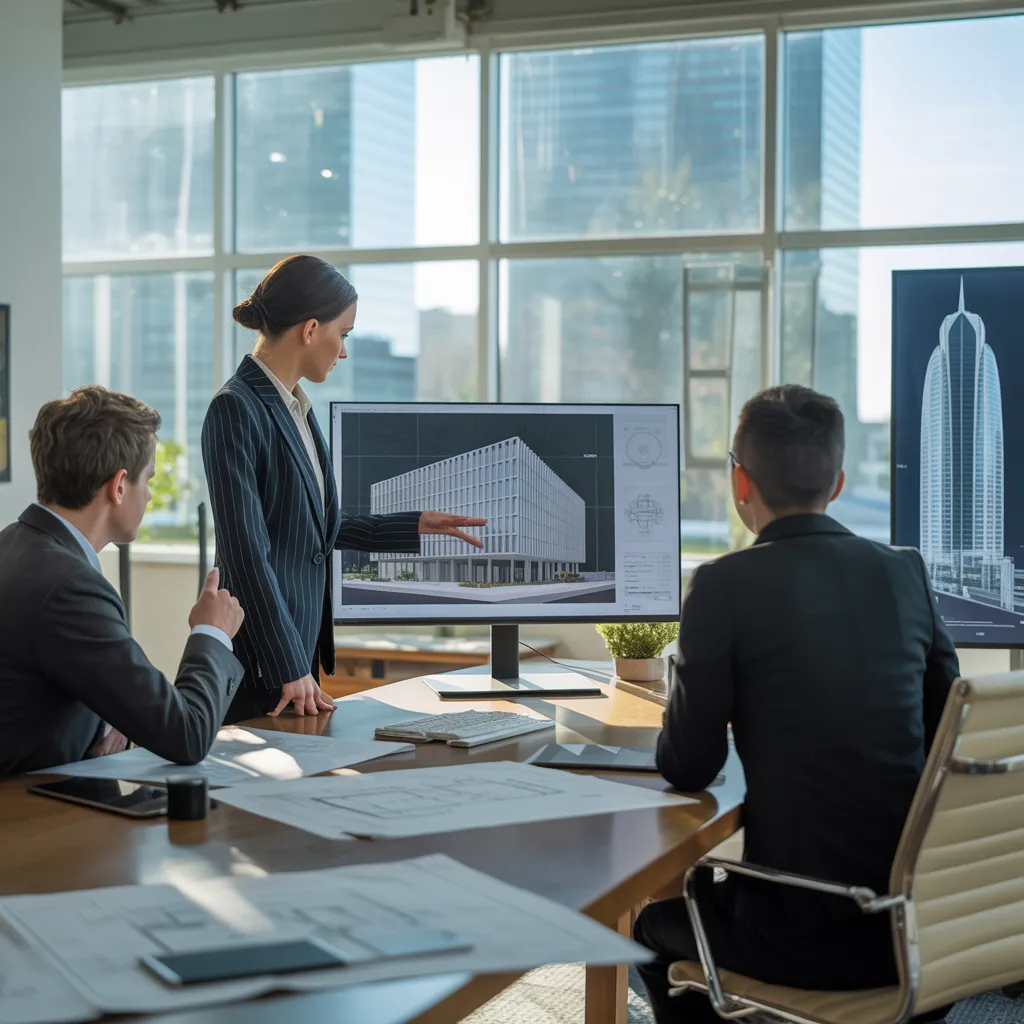
Why Innovative Commercial Architecture Matters for Your Business
Progressive business-focused architecture transforms the way companies operate and engage with their about Salt of the Earth Inc. environments. This design strategy emphasizes not just aesthetics but operational efficiency, cultivating spaces that improve productivity and collaboration. By embedding sustainable practices and advanced technologies, companies can minimize overhead expenditures while attracting sustainability-focused clients.
Moreover, innovative design concepts build compelling brand identities that appeal to customers and improve employee morale. The design of a workspace can significantly shape productivity and innovation, making innovative architecture vital for staying competitive in today's business landscape.
As organizations develop, the demand for flexible spaces grows increasingly important. Innovative commercial architecture allows for flexibility in design, accommodating future growth and changes in operational needs. At its core, it offers a competitive edge by aligning physical spaces with overall business objectives, ultimately encouraging achievement and strengthening the relationship between the organization and the communities it serves.
Fundamental Features of High-Impact Commercial Architecture
High-impact commercial architecture is characterized by a number of key features that improve both functionality and visual appeal. Fundamental aspects include efficient space planning that optimizes usability, sustainable design practices that minimize environmental impact, and striking visual elements that appeal to and engage clients. Together, these features create a dynamic environment that supports business objectives and fosters a positive user experience.
Efficient Space Planning
Strategic functional space planning converts commercial architecture into a valuable asset for businesses. By prioritizing efficient layouts, it optimizes workflows and enhances productivity. This method encompasses assessing the particular demands of a business and assigning space strategically, making certain that areas for teamwork, focus, and storage are deliberately crafted. Effective commercial architecture features versatile spaces that adjust to evolving demands, permitting businesses to develop without costly structural changes. Additionally, intuitive navigation and accessibility are key components, fostering a positive environment for employees and clients alike. In the end, strategic space planning not only optimizes the use of available square footage but also establishes an inspiring atmosphere that reflects the brand's identity, supporting overall business growth and employee fulfillment.
Environmentally Conscious Design Strategies
Embracing eco-conscious design principles is critical for contemporary commercial building design, as it highlights environmental responsibility while elevating the visual and practical attributes of a space. These practices often include incorporating sustainable materials, maximizing energy conservation, and implementing sustainable energy systems. Furthermore, eco-conscious designs encourage water conservation and improved air quality through cutting-edge ventilation technologies and living roof systems. Implementing these strategies not only minimizes a building's greenhouse gas emissions but also reduces overall maintenance costs. In addition, green building design fosters a more beneficial setting for inhabitants, leading to enhanced efficiency and comfort. As companies understand the value of corporate social responsibility, adopting sustainable design principles emerges as a vital component of effective commercial construction, aligning economic goals with environmental stewardship.
Appealing Aesthetic Visuals
An emphasis on eco-friendly design approaches commonly produces a heightened appreciation for aesthetic visual appeal in commercial architecture. This combination develops areas that not only satisfy operational demands but also harmonize with their environment. Components like sunlight, sustainable materials, and vegetation enhance a building's overall beauty, enhancing its visual impact. An aesthetically pleasing structure appeals to clients and nurtures a beneficial setting for workers. Structural characteristics including distinctive exteriors, creative floor plans, and complementary color palettes can substantially improve a company's image. At its core, incorporating visual attractiveness into eco-friendly structures not only highlights a commitment to environmental responsibility but also confirms that the construction excels in a challenging market environment, consequently enhancing the business's image and values.
Choosing the Best Commercial Architecture Partner for Your Needs
How does one determine the most suitable commercial architecture partner for their project? It begins by identifying specific project needs and goals. A detailed review of prospective firms should include reviewing their portfolios, paying close attention to their industry experience and creative approach. Client testimonials and references can provide insight into their dependability and ability to collaborate.
Subsequently, examining the company's proficiency in applicable regulations and eco-friendly methods is crucial. Communication and project management skills also carry great weight; a partner should show the capacity to communicate concepts effectively and guarantee timely progress updates.
Cost alignment is another essential consideration, as transparency in pricing can prevent future conflicts. Participating in preliminary meetings provides insight into compatibility and reveals the firm's problem-solving methodology. In the end, choosing a commercial architecture partner requires a comprehensive evaluation of professional credentials, working relationships, and compatibility with project goals.
Successful Design Case Studies in Commercial Architecture
A further illustrative case showcases a retail establishment that employed the principles of biophilic design, incorporating natural light and greenery. This method improved the customer experience and boosted foot traffic, which translated into increased sales.
Moreover, the headquarters of a tech firm displayed an open-concept layout that promoted collaboration among staff, considerably elevating overall productivity and employee satisfaction. These cases highlight how intentional design choices can uplift organizations, strengthen workplace functionality, and craft welcoming spaces that appeal to employees and visitors, consequently propelling success and expansion in the corporate environment.
How Sustainable Design Makes a Difference for Your Brand?
While many brands aim to stand out in a competitive market, embracing sustainable design practices can powerfully elevate their image and market presence. Organizations that commit to sustainable operations tend to draw in eco-minded consumers, building lasting loyalty and deepening consumer trust. Green design practices not only showcase a brand's pledge to ethical and social values but also establishes it as an innovative and visionary force within its sector.
Additionally, sustainable architecture commonly generates economic advantages by means of energy efficiency and lower operating costs. Such a concrete benefit reinforces the improved corporate reputation, as buyers progressively prefer businesses that show a true dedication to sustainability.
As rules governing ecological footprint grow more stringent, companies embracing eco-friendly design approaches can remain compliant with regulatory hurdles. In the end, integrating sustainability into architectural design serves as a strategic investment, strengthening core brand principles while resonating with a wider demographic, thereby fostering sustained growth and significance across an ever-shifting competitive environment.
How Intentional Architecture Enhances Employee Productivity
A well-designed workspace plays a significant role in boosting employee productivity. Thoughtful architecture takes into account factors such as natural light, spatial layout, and acoustic treatments, which significantly impact workplace efficiency. Spaces that prioritize open layouts promote collaboration, while designated quiet areas allow for focused work, creating equilibrium between teamwork and individual tasks.
Including biophilic elements, such as plants and outdoor views, can lower stress levels and boost creativity, thereby improving overall productivity. Ergonomic furniture design also contributes to worker comfort, minimizing exhaustion and encouraging extended periods of concentrated effort.
Additionally, flexible workspaces that adapt to various tasks foster engagement and innovation. By recognizing and applying these architectural concepts, businesses can create environments that not only enhance productivity but also support employee well-being. Ultimately, investing in thoughtful architecture is a strategic move that aligns employee satisfaction with organizational success.
Emerging Trends in Commercial Architecture Worth Watching
What significant shifts are defining the future of commercial architecture? One significant trend is the increasing focus on sustainability. Architects are incorporating sustainable materials and energy-conscious designs to minimize carbon footprints and support environmental stewardship. Moreover, biophilic design is becoming increasingly prominent, focusing on natural elements to improve well-being and efficiency within work environments.
A further significant trend is the rise of adaptable and versatile environments. As businesses evolve, the need for versatile spaces that can be quickly reorganized is proving essential. This flexibility supports diverse work styles and collaborative efforts.
Moreover, technological advancements, such as intelligent building systems and virtual reality, are transforming design and construction processes. These innovations equip architects to design highly efficient, responsive, and user-focused spaces.
Questions We Often Receive
What Are the Fees Connected to Innovative Commercial Architecture Services?
The costs associated with advanced commercial architecture solutions typically include design fees, materials, labor, permits, and project management. Such expenditures can fluctuate depending on location, project complexity, and individual client needs, affecting overall budgetary planning.
How Much Time Does a Standard Commercial Architecture Project Require to Finish?
A typical commercial architecture project usually takes anywhere from six months to two years to complete, based on factors such as project complexity, size, client requirements, and regulatory approvals, which can greatly influence the timeline.
What Impact Does Technology Have on Modern Commercial Architecture?
Technology considerably enhances modern commercial architecture by streamlining design processes, strengthening cooperative efforts through Building Information Modeling (BIM), facilitating accurate design simulations, and advancing eco-friendly construction approaches. These innovations progressively deliver greater efficiency, creativity, and affordability in architectural solutions.
Can Commercial Architecture Adapt to Changing Business Needs Over Time?
Indeed, commercial architecture can adapt to changing business needs as time progresses. By incorporating adaptable design principles, modular components, and advanced technological incorporation, facilities can be transformed to accommodate changing operational needs, ensuring enduring performance and usability in a rapidly changing commercial landscape.
What Are the Benefits of Involving Employees in the Design Process?
Involving team members in the planning process fosters cooperative efforts, increases satisfaction, and stimulates original thinking. Their insights can lead to effective solutions, fostering a degree of investment and elevating overall productivity within the work environment.